




शनिबार, अशोज ३, २०८३
Adjusting Live Betting Strategies for Changing Weather Conditions
- बुधबार, साउन १३, २०८३

Weather Is the Silent Bookmaker
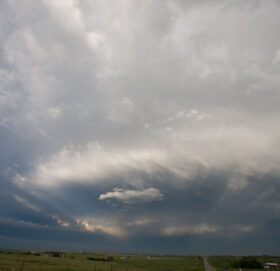
Rain clouds over a stadium aren’t just a backdrop; they’re a live feed that can twist odds faster than a quarterback’s scramble. A sudden drizzle turns a running back’s bounce into a mud‑slide, and the spread shifts before you even sip your coffee. Ignoring the sky’s whisper is like throwing a pass with no receiver.
Why the Atmosphere Messes With the Market
Temperature drifts alter player stamina, humidity grips the ball, wind guns at field goal attempts—each factor rewrites the probability engine. Odds makers crunch these variables in real time; the market reacts like a nervous crowd at a thunderstorm. The point is simple: the weather becomes the hidden line mover, and you have to track it.
Real‑Time Data Hacks
Here’s the deal: you need a feed that spits out wind speed, precipitation probability, and surface temperature in seconds. Apps that freeze at the half‑hour mark are dead weight. Pair a radar widget with a sports API, set alerts for >10 mph crosswinds, and watch the over/under pulse. By the way, a slick trick is to overlay the forecast on the live odds board—visual chaos, but gold for the sharp.
Dynamic Hedge Playbook
When the forecast flips from sunny to soggy, don’t stand still. Pull a hedge on the total, shift the spread, and consider a prop bet on “first turnover after rain.” Short‑term volatility is your friend if you can pivot faster than a linebacker. And here is why: the betting market lags the radar by a few minutes, giving you a window to lock in value.
Positioning Themselves Against the Elements
Take a cold front moving in at halftime. Cold air bites, slows the offense, and often leads to a field‑goal binge. Load up on the under for the second half, but hedge with a “team to score first after the 3rd quarter” market. If the kicker’s boot freezes, you’ll thank yourself.
When Wind Becomes a Weapon
Crosswinds over 15 mph? That’s a punter’s nightmare and a betting opportunity. The over on punt distance collapses, while the over on defensive sacks spikes. Bet on “more than 2 sacks in the 4th quarter” and watch the line inch upward as the gusts grow. Simple, brutal, effective.
Tracking The Shift Without Overkill
Use a single dashboard: odds, weather widget, and a heat map of player wear. A quick glance should tell you whether the ball is slick, the field is soggy, or the air is thin. No need for a spreadsheet; a well‑crafted UI does the heavy lifting.
Final Piece of Actionable Advice
Set a trigger: if wind exceeds 20 mph in the final 10 minutes, place a low‑risk under on the total and secure a spread hedge before the gusts settle. That’s it.